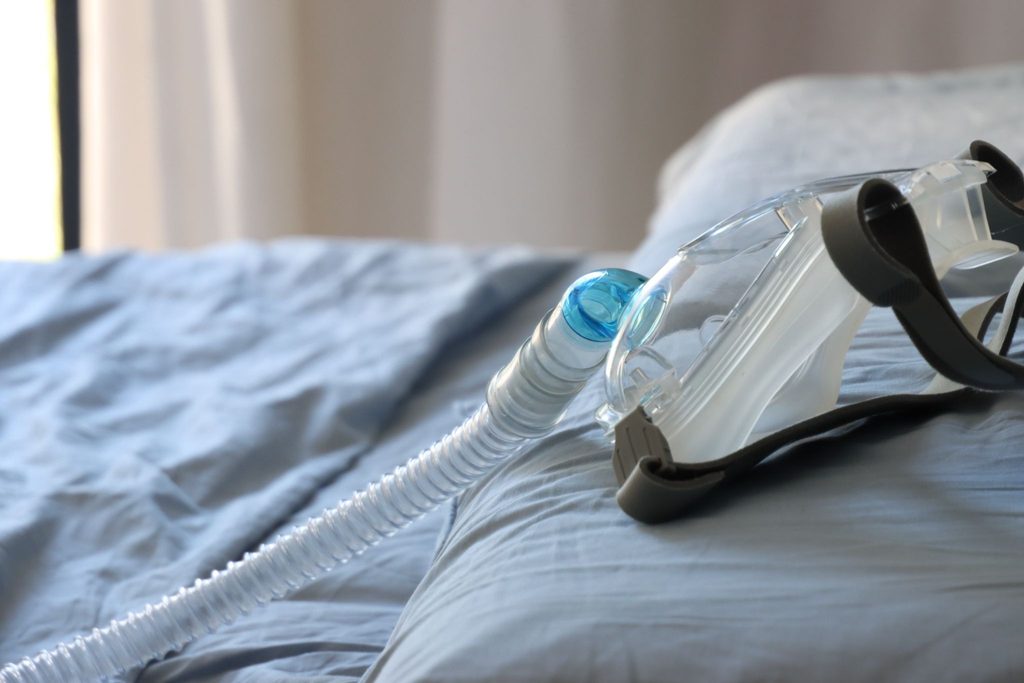
Ventilator care at home in Maine often begins the moment a doctor says your child is ready to leave the NICU or PICU on a ventilator. That moment can feel overwhelming, especially when you are trying to picture what daily life will look like.
Ventilator care at home means a trained nurse manages your child’s breathing support, equipment, and safety in your own house instead of a hospital room. It is the kind of home care a medically fragile child in Maine needs most in a crisis moment, and COR Health builds the plan around your family rather than leaving you to piece it together.
This guide walks through what ventilator care at home involves day to day, the nursing hours typically needed, safety planning, and how COR Health trains and matches nurses for ventilator-dependent children.
What Ventilator Care at Home Looks Like Day to Day
A private duty nurse trained in ventilator care manages settings, monitors your child’s breathing, suctions the airway as needed, and watches for signs that something needs attention. Much of the day looks like ordinary family life happening alongside careful, ongoing medical care.
Ventilator-dependent children often also need tube feeding, medication management, and regular check-ins with your child’s medical team. A COR Health nurse can attend medical appointments with your family as part of that ongoing care.
How Much Nursing Coverage a Ventilator-Dependent Child Typically Needs
Nursing hours for ventilator care follow your child’s specific medical needs. There is no standard package that fits every situation: some families need coverage around the clock, especially early on, while others need fewer hours once a routine is established and the family feels confident with parts of the day-to-day care.
MaineCare covers ventilator-dependent private duty nursing under Section 96 for children who meet the medical necessity criteria, and COR Health’s care coordination team can also work with private insurance where it applies.
Safety Planning for Ventilator Care at Home
Safety planning covers what happens if equipment fails, if your child’s condition changes suddenly, or if the power goes out. COR Health works with families to build an emergency plan before care begins, not after something goes wrong.
Trach and vent care at home depends on a family and nursing team who know the plan cold: backup equipment, who to call, and what steps come first in an emergency. That preparation is part of the training every COR Health nurse brings into your home.
How COR Health Trains and Matches Nurses for Ventilator-Dependent Children
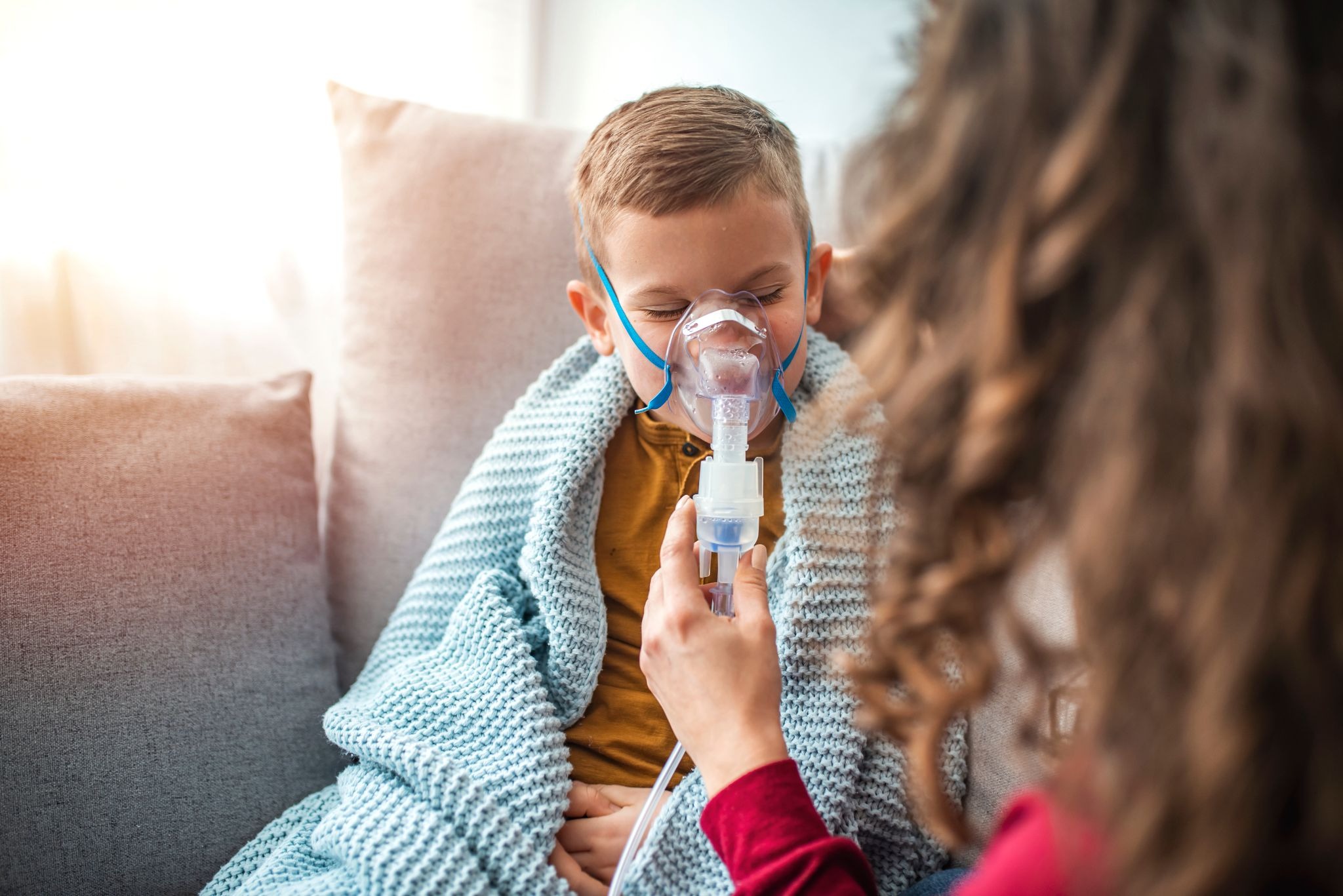
Nurses caring for ventilator-dependent children arrive at COR Health already licensed, and additional training prepares them for the specific equipment and needs of pediatric nursing for technology-dependent children.
Matching considers your child’s equipment, your family’s schedule, and the level of experience a nurse needs to safely manage your child’s care. COR Health continues to monitor and adjust that match as your child’s needs change over time.
Common Questions About Ventilator Care at Home in Maine
Is ventilator care at home safe for my child?
Ventilator care at home is safe when it is supported by trained nursing coverage, a clear safety plan, and backup equipment. Your care team will walk through exactly what that looks like for your child’s specific situation before care begins.
How is ventilator care at home different from trach care?
Many ventilator-dependent children also have a tracheostomy, so the two often go together. A companion post on trach care at home covers tracheostomy-specific care in more detail.
Will the same nurse always be with my child?
COR Health works to keep nursing coverage consistent so your child is cared for by nurses who already know their routine and equipment, though coverage may include more than one trained nurse across a full week of hours.
A Steady Plan for an Unpredictable Season
Bringing a ventilator-dependent child home is a crisis-moment decision for many families, made in the middle of an already difficult season. A private duty nurse who knows the equipment, the routine, and your child specifically is what turns that decision into a workable daily life.
Connect with a COR Health nurse care coordinator about ventilator support at home.